
Case Study: RightFlink & UrbanEater – A Digital Lifeline for Restaurants During COVID-19
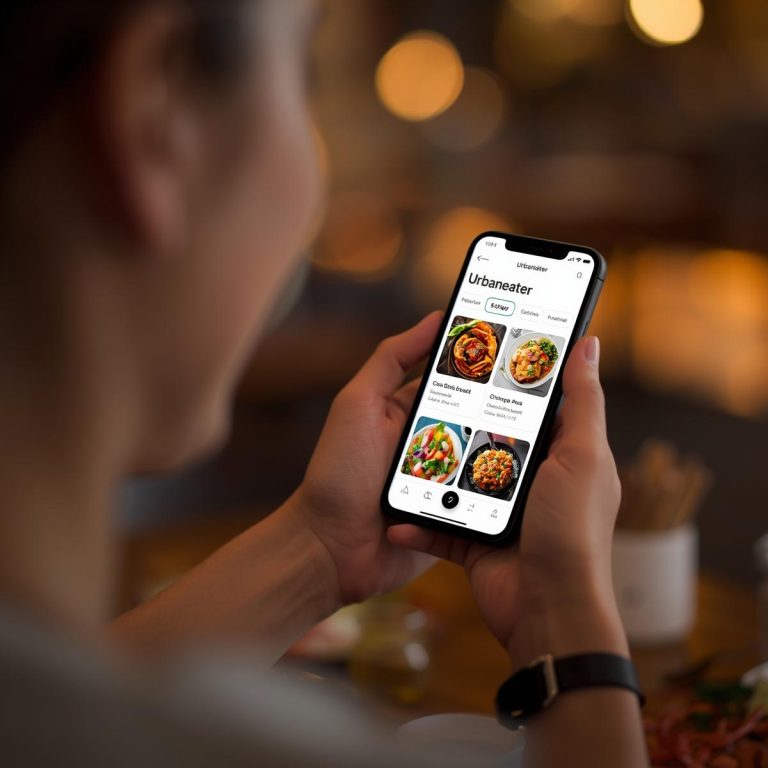
Challenge: The COVID-19 pandemic and subsequent lockdowns brought the dine-in restaurant industry to a near standstill. UrbanEater’s member restaurants, primarily family-owned establishments with limited digital presence, faced an existential crisis. They urgently needed to pivot to online takeout and delivery to survive. However, they encountered two critical barriers:
Technical Deficiency: Most restaurants lacked the technical expertise and resources to set up a reliable, professional online ordering system or a compelling website quickly.
Prohibitive Costs: Major third-party delivery apps charged commissions of 25-30% per order, devastating already thin profit margins.
Solution: RightFlink, a technology solutions provider specializing in rapid, cost-effective digital tools for SMEs, proposed a two-pronged “Digital Survival Kit” under the UrbanEater banner.

1. The UrbanEater Direct-Ordering Platform:
- Low-Cost, Commission-Free Model: RightFlink developed a unified online ordering platform branded as “UrbanEater.” For a small, flat monthly subscription fee (a fraction of the cost of traditional commissions), restaurants gained access to a fully functional online storefront.
- Seamless Integration: The platform handled menu management, real-time ordering, secure payment processing, and customer notifications. RightFlink’s team handled all initial setup, integration with existing POS systems where possible, and provided 24/7 technical support to resolve any IT issues, which were common pain points for non-technical owners.
- Customer Retention Focus: The system encouraged direct customer relationships by facilitating order history and optional marketing communication for the restaurants, reducing their dependency on third-party apps.
2. Rapid Professional Website Development:
- Understanding that a platform listing wasn’t enough, RightFlink offered a complementary “Website-in-a-Week” service.
- Using modular templates tailored for restaurants, RightFlink’s team worked with each restaurant to create a clean, professional, mobile-optimized website. Each site featured the restaurant’s branding, full menu, and, most crucially, an embedded ordering widget powered by the new UrbanEater platform.
- This gave each restaurant a credible digital storefront that directed traffic to their own low-cost ordering channel, enhancing their brand identity beyond a generic app listing.
Implementation: RightFlink executed a rapid rollout in phases, prioritizing the hardest-hit restaurant neighborhoods. The setup process was streamlined to minimize disruption for busy owners.
Results & Impact:
- Immediate Revenue Stream: Within two weeks of launch, participating UrbanEater restaurants activated a direct online sales channel. 92% reported a critical new revenue stream that kept their doors open.
- Significant Cost Savings: By bypassing high-commission apps for orders generated through their direct site/platform, restaurants retained an average of 22% more profit per order. For many, this was the difference between operating at a loss and achieving sustainability.
- Enhanced Digital Competence: Restaurants transitioned from having little to no digital footprint to owning professional websites and managing direct customer relationships online. This built long-term resilience.
- Community & Brand Strength: The UrbanEater collective brand gained consumer recognition as a trusted hub for supporting local restaurants. A unified marketing campaign highlighted the “Order Direct, Support Local” message, driving community-conscious customers to the platform.
Conclusion:
RightFlink’s intervention for UrbanEater was more than a technical solution; it was a strategic partnership that addressed both immediate financial pain and long-term digital vulnerability. By providing an affordable, integrated alternative to high-commission platforms and rapidly establishing professional digital storefronts, RightFlink empowered a network of local restaurants to not just survive an unprecedented crisis but to emerge with greater control over their customer relationships and financial future. The case demonstrates how targeted, empathetic technology can be a decisive factor in preserving vital small business ecosystems during economic shocks.

Written by